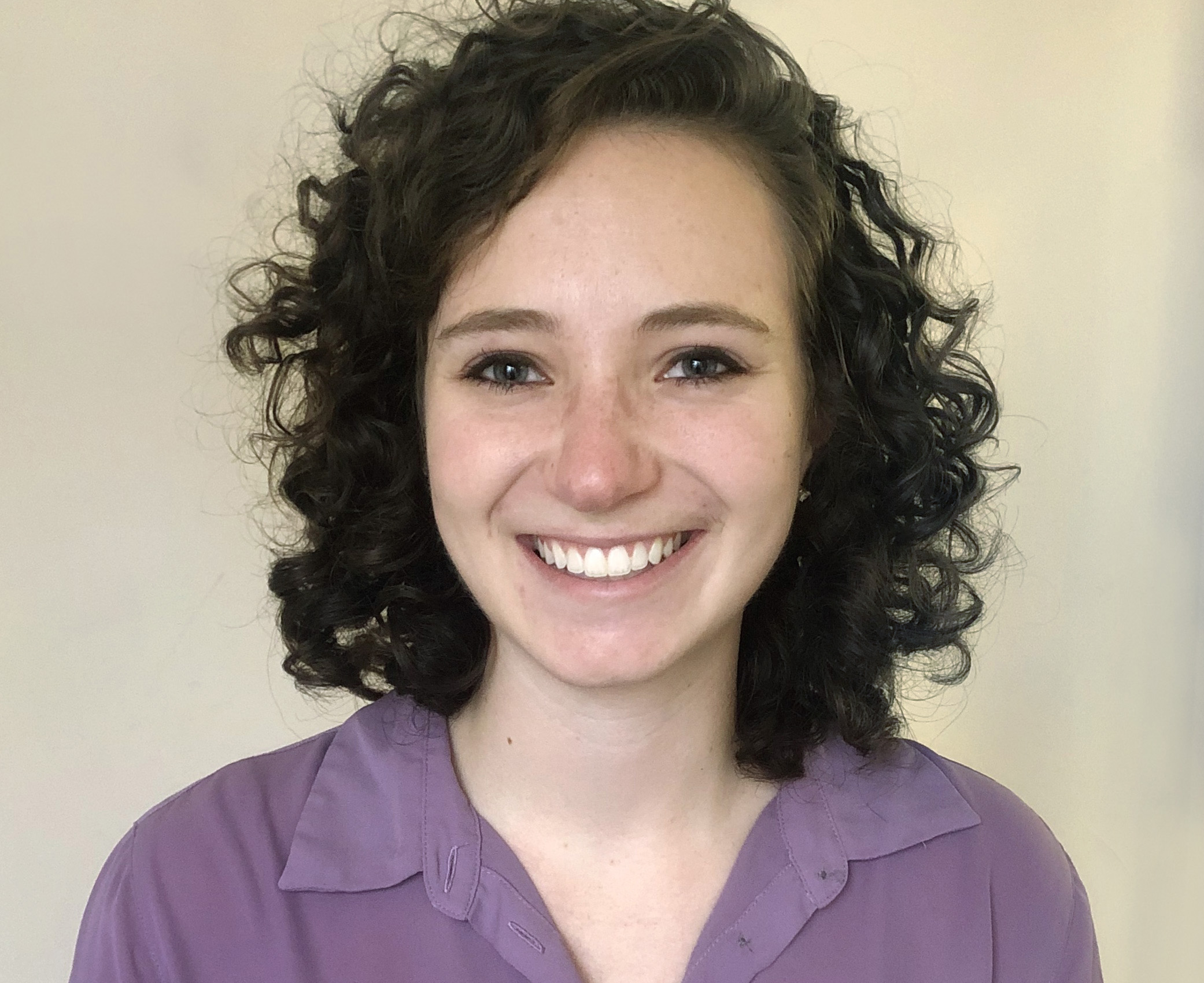


Cardinal Donald Wuerl ordained the three newest priests for the Archdiocese of Washington during a June 16 Mass at the Basilica of the National Shrine of the Immaculate Conception. He was joined by Washington Auxiliary Bishops Roy Campbell Jr. and Mario Dorsonville, as well as Bishop-elect Michael Fisher and more than 100 concelebrating priests.
The new priests – Father Oscar Astigarraga, Father Andrew Clyne, and Father Kevin Fields – were supported by more than 800 friends, family, and supporters who filled the basilica during the ordination ceremony.
After Msgr. Robert Panke, the director of priest formation in the Archdiocese of Washington, affirmed to Cardinal Wuerl that the three men had been found worthy of ordination, Cardinal Wuerl reflected on the significance of the ordination liturgy during his homily.
“The ordination ritual is an invitation to enter into the spiritual reality of God’s saving presence with us,” he said. “Thus we use the ritual, symbols and signs to help us encounter with our senses what we can really only experience with the eyes of faith.”
Cardinal Wuerl noted Pope Francis’ apostolic exhortation To Rejoice and Be Glad, in which the pope writes about how everyone is called to be “holy and blameless before [God] in love.” In the midst of that, Pope Francis notes how God calls “some of this great body of faithful to the service of all their brothers and sisters through sacred ordination,” said Cardinal Wuerl.
“The priest, by virtue of the consecration which he receives in the sacrament of Orders, is configured to Christ as priest and shepherd of his people,” the cardinal continued.
As a result, the ordination is intended not for the priest, but for the people he will serve, said Cardinal Wuerl.
“The priest is servant because he has a sacred mission to fulfill,” he said. “We must see the priesthood as sacred service for all of God’s people.”
That service, he continued, consists in preaching God’s word “in season and out, whether convenient or inconvenient,” in continuation with apostolic tradition. In doing so, the priest is called to also “help people grasp, accept, understand and appropriate the message,” the cardinal said.
Following the homily, the three ordinandi promised to carry out the ministry of the priesthood and to be obedient to the archbishop and his successors.
The congregation then knelt down as the three men lay prostrate in front of the altar as a sign of their total giving of themselves to God and to their roles as priests. The priests and lay faithful joined in prayer as they together sang the Litany of Saints.
Afterward, the three men knelt before the cardinal one by one, and he silently laid his hands upon them as an invocation of the Holy Spirit. Then the concelebrating priests also laid their hands upon the ordinandi.
The cardinal then said the prayer of ordination, and each new priest was clothed in his priestly vestments by a priest who he had chosen to play that special role.
The cardinal then anointed the hands of the newly ordained with chrism, and presented them with the chalice and paten as a sign of presiding at the Eucharist. He gave each of them a sign of peace, which was also offered to them by their brother priests.
Cardinal Wuerl recalled how the origin of the priesthood is found in the New Testament account of the Last Supper, where Jesus institutes both the Eucharist and the priesthood, with the words “This is my body and this is the cup of my blood,” and “Do this in remembrance of me.”
In the liturgy of the Eucharist, the three new priests joined the cardinal around the altar and repeated those very words of Jesus as they celebrated the Eucharist for the first time, in a moment that Father Clyne later called “surreal.”
While they join the long line of priests that have gone before them saying those prayers, as Cardinal Wuerl noted in his homily, “the circumstances in which [the priesthood] is exercised varies dramatically from age to age, generation to generation.”
Today, priests are called to face relativism and secularism, the cardinal said, while also being patient with those who “simply are not prepared to accept everything we now announce.”
“Ours is a call to accompaniment,” he said. “It is the careful, quiet, persistent, kind and caring pastoral ministry that leads to conversion and even to a desire to share the Good News with others.”
As the Mass concluded, Cardinal Wuerl – on behalf of all of the priests of the archdiocese – presented Bishop-elect Fisher with the crozier that he will formally receive at his episcopal ordination on June 29.
The cardinal reminded the newly ordained priests that they had not reached that moment of ordination alone, but rather were supported along the way by friends, family, and brother priests, who would continue to support them as they began their ministry. As a sign of that support, the congregation erupted in applause after the three men gave everyone their first priestly blessing.
Following the ordination Mass, the congregation gathered in the crypt level of the basilica as they awaited blessings from the newly ordained priests. Among those gathered were Mark and Mary Fields, the parents of Father Fields.
“For me, I always felt deep down that this was his calling,” said Mary Fields, recalling how when Father Fields was in first grade, Father Fields said he wanted to either be a police officer or a priest.
As he got older, his mother recalled, they watched how he developed “a servant’s heart” and “went out of his way to help people in the littlest way or the biggest ways.”
His father recalled how he received awards for his community service in both high school and college, which pointed to how he might some day live out a life of service.
“I really feel he is where he needs to be; where God wants him to be,” said Mary Fields.
Deacon Stefan Megyery, who had just been ordained a transitional deacon a week earlier, said Father Clyne “has a great understanding of theology and he does a really good job of bringing theology down to earth for people to understand.”
After blessing the last person in the long line of people, Father Clyne said it was a humbling experience to see so many of them lined up, asking for his blessing.
“First of all, knowing that so many of them have been praying for you, even people you’ve never met, supporting you in that quiet way,” he said.
Secondly, he said he was honored by “the deference they give to priests,” which he did nothing to earn, but which comes purely “because of your love of Christ.”
In the chapel where Father Astigarraga was giving first blessings, music resounded from members of the Neocatechumenal Way, a Catholic movement dedicated to adult and family faith formation. Fifty of the members of that community that Father Astigarraga was a part of in Paraguay traveled to the Untied States to see him be ordained as a priest.
Marco Laterra had grown up with Father Astigarraga, as they had joined the movement together as young teenagers.
“For us, it is a miracle,” he said, on behalf of the community. “We have seen how God is faithful to him [Father Astigarraga], and we know He will be faithful to us…God is pouring hope into our hearts.”