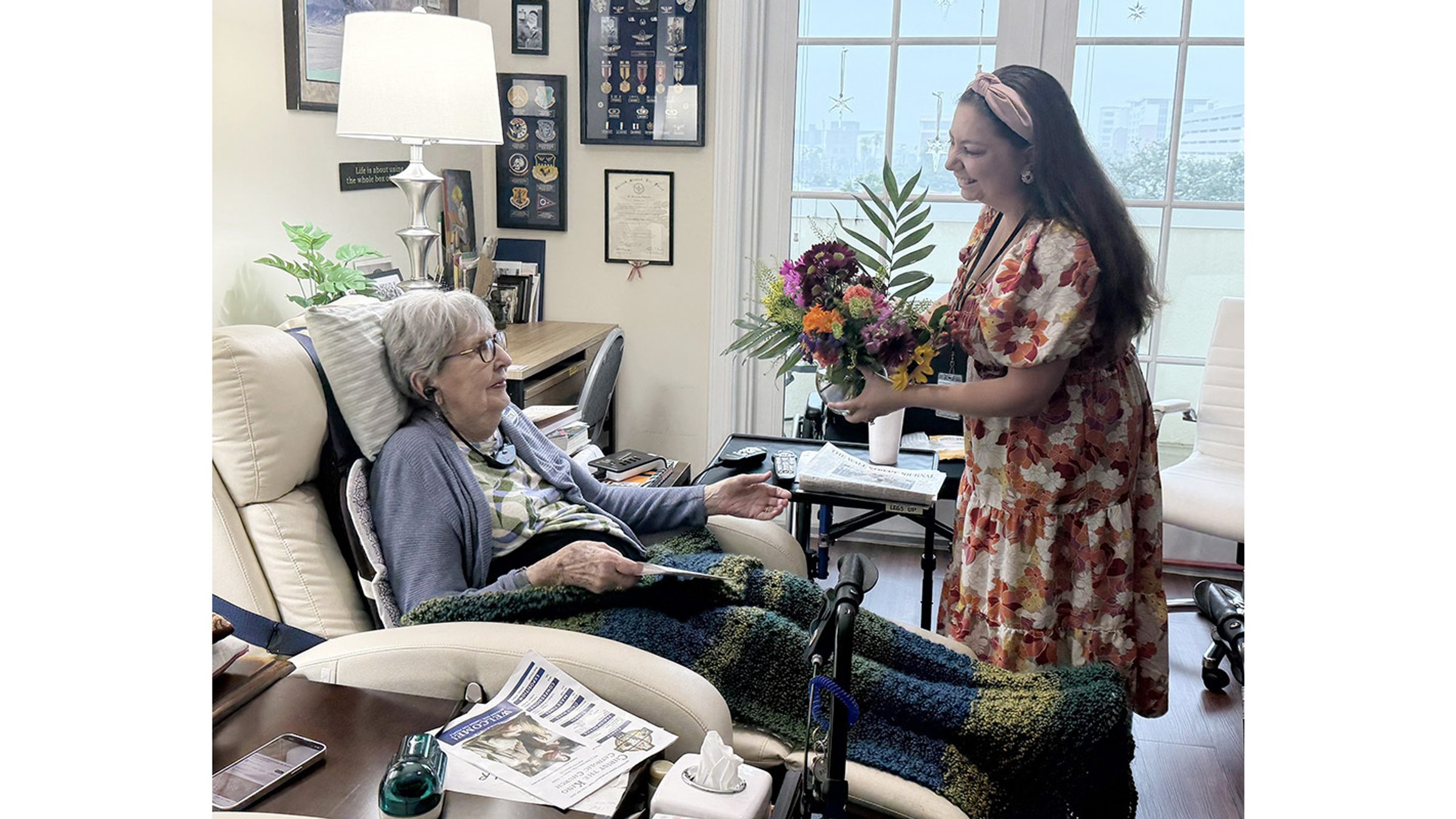

It cannot be denied that there is sickness and suffering throughout the land. Some of it is the usual personal physical, mental, or spiritual maladies which touch all of us at some point in our lives and has been part of the human condition throughout history.
But we are stricken by serious social and cultural sickness as well, which manifests itself in many ways and has led to widespread anguish and distress – such as in the case of injustice, discrimination, the mistreatment and even intentional infliction of fear in the migrant community, and blindness to those in need and to the presence of the Lord in them and in the world. Thanks be to God, however, treatments and remedies are available for these afflictions if only we, personally and as a people, pursue them.
“The true measure of humanity is essentially determined in relationship to suffering and to the sufferer,” said Pope Benedict XVI in his encyclical on Christian hope, Spe Salvi. If you are dealing with ill health, know that you need not suffer alone.
During His ministry, Jesus healed the sick, freed people from disabilities, and in His compassion – a word which means “to suffer with” – the Lord shared in human suffering, including fatigue, hunger, injury, and hostility. Making our own sufferings His own, Jesus was most attentive to the world of human misery – and He still is in our time.
Christ has given us in particular the Sacrament of Anointing. Especially if you or someone you know is at risk of dying, I urge you to call for a priest to receive this saving grace which unites the ailing person in loving communion with God.
Jesus has also made service to the sick and suffering an integral part of the Church’s mission. Thus, when the pagan Romans were fleeing the city during epidemics in the second to fourth centuries, the Christians remained behind to care for the afflicted and dying. The Church was also a pioneer in establishing hospitals and an entire system of Catholic healthcare. In addition, the Church has been an invaluable voice for reform of the broader secular healthcare system as people struggle with the skyrocketing high cost of health insurance and staggering medical bills, and urging better and more humane care for those who are suffering mental illness.
To raise further awareness, Pope Saint John Paul II established the annual World Day of the Sick, which he said “is intended to reach consciences to make them aware of the valuable contribution which human and Christian service to those suffering makes to better understanding among people and, consequently, to building real peace.”
Most importantly, the Lord has also sent us our Blessed Mother Mary, whose tender maternal affection and solicitude for us knows no bounds. One example of this, among her many apparitions in history, is how the mestiza la Virgen de Guadalupe appeared to the humble Saint Juan Diego at a time of challenge for his indigenous people. Another example is when Immaculate Mary appeared to the lowly Saint Bernadette Soubirous at Lourdes, which has since become renowned as a place of comfort and miraculous healing. Thus, it is very appropriate that we observe World Day of the Sick on the Memorial of Our Lady of Lourdes, Feb. 11.
These lived experiences of Juan Diego and Bernadette are not merely their own. They are “the personal experience of all Christians who receive Mary’s affection and place their daily necessities into her hands, trustfully opening their hearts to implore her motherly intercession and obtain her reassuring protection” (Dicastery for the Doctrine of the Faith, Mater Populi Fidelis, 44).
When we turn to Our Blessed Mother, however, she will always lead us to her Son, as she did at Cana. And her timeless message of a return to the Lord in prayer, penance, and charity that she gave to Bernadette at Lourdes – and gives whenever she appears – are key to the healing we all need, whether in our personal lives or as a community and nation. They are also the traditional pillars of the upcoming Lenten season.
If you have ever endured a serious illness or medical condition, or you have been the victim of injustice or assaults on your human dignity, you know how crushing and seemingly unbearable it can be. It is even worse trying to get by on your own, without God.
The worst sickness of all is, of course, the absence of God. In a very real sense, we call that “Hell.” “How blind man is when he refuses to open his heart to the light of faith,” Bernadette would later say. And as we look around and see the hellish conditions that have been inflicted on already marginalized people, such as migrants and refugees, we should understand that these things are due to the exclusion of God from people’s hearts and the public sphere.
In imitation of the love, compassion and mercy of the Virgin Mary and her Son Jesus, it is imperative as ever that we and this whole society and nation return to the Lord our God.
We must pray to the Lord who is rich in mercy for ourselves, our families and neighbors, and public leaders to open our and their hearts to His goodness. We must also do penance in acknowledgement of our own shortcomings and as a share in the redemptive work of Christ and His Cross. And we must give of ourselves fully in solidarity with those who are suffering afflictions of any kind.
The Lord has a special place in His own Sacred Heart for suffering people and “He asks us, His Church, to make a decisive and radical choice in favor of the weakest,” Pope Leo reminds us in his apostolic exhortation Dilexi Te. While we attend to those burdened by sickness of the body with loving care, it is only by this conversion of heart that we will be healed of these evils of spiritual and social sickness that plague us. Our love of God and neighbor deserves nothing less.
(Bishop Evelio Menjivar serves as an auxiliary bishop of the Roman Catholic Archdiocese of Washington.)