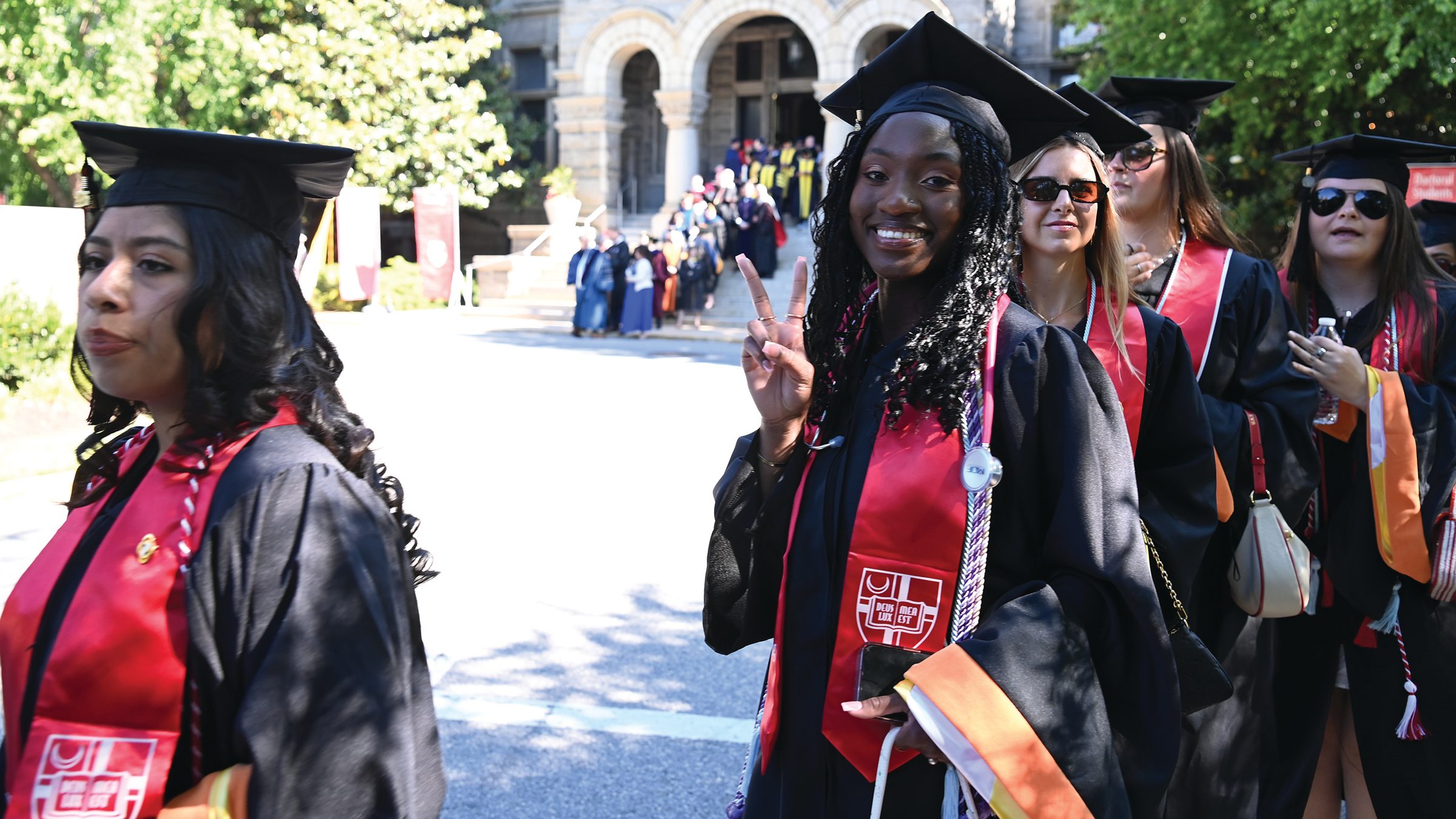


May and June usher in the graduation season at universities and high schools across the nation. It harbors a range of emotions for graduates and families, including anticipation, excitement, and joy, not to mention the anxiety about what is next. Of course, one must not forget the graduation speeches that come with the experience.
I have heard innumerable graduation speeches during my academic career. Some commencement speeches were unforgettable due to the clever way a speaker brought humor and joy to the occasion, and others were just as unforgettable because the speaker moved the audience with transformative stories of courage and triumph after facing what may have looked like an insurmountable challenge. And of course, there are the messages to graduates to be true to themselves, do what makes their heart sing, and make a difference in the world or even change it.
This year’s news coverage about graduation speeches reports that several commencement speeches celebrated the innovation and potential of artificial intelligence (AI), and at least one institution used AI to call the names of graduates, which proved to be problematic due to mispronunciations. The receptions to AI messages were notably mixed. Sometimes described as the Industrial Revolution of the 21st century, AI ladened speeches may not be the wisest message for graduates facing a difficult job market, particularly where jobs that were the kind of entry level positions once filled by recent graduates are no longer available because of AI technologies.
In remarks made at a 2026 graduation reception named in honor of Servant of God, Sister Thea Bowman, an alumna of our university, I opted for a message focusing on the power of faith as an enduring and reliable resource when facing an unpredictable future. I recalled Sister Thea’s fearless approach to life, grounded in faith and assurance in God’s love for her. She would often remind others to “Remember who you are and whose you are.”
I reminded the graduates that while Sister Thea may soon be canonized as a saint for her inspiring life, legacy and contributions to the Church, her life story included many of the same types of challenges they have faced and will undoubtedly encounter again. Sister Thea experienced adversity, disappointments, discrimination, illnesses, the loss of friends and family. And she lived in times of great social and political upheaval and when fairness, justice, and the basic tenant of our faith to love our neighbor seemed painfully illusive. Yet, in each circumstance, she found her voice and purpose through her enduring sense of faith in God’s love for her. I pointed out to them that like Sister Thea, a grounded faith can help them develop the fearless spirit required when facing the doubt and uncertainty that accompanies the challenges they will encounter in the future.
As parents prepare their graduates for the next phase of their lives, they should remind their young adults to remember their faith when they take on life’s challenges, as well as in their consideration of the opportunities that will be presented to them. If a parent is sending a child off to college, encourage them to look into campus ministry programming, a place where their faith can continue maturing and where they can find fellowship, new friends and service opportunities, all of which can be valuable resources in the unchartered waters of a collegiate experience.
If your young adult is graduating from college and pursuing a job opportunity or graduate education in another location, encourage them to find a new church for a faith community to help them navigate their new surroundings. I also recommend that parents consider slipping a copy of a brand-new Bible in one of their young adult’s packing boxes. That way you know for certain that the Scripture, the Word, is always nearby.
(Veryl Miles serves as a special assistant to the president of The Catholic University of America and is a professor at the university’s Columbus School of Law.)